
Complete Neuropsychology P.C. provides comprehensive, evidence-based neuropsychological evaluations for children, adults and older adults. Whether you are seeking answers about development, learning, attention, memory or changes after a medical event, our testing is designed to explain why a challenge is happening — and what to do next.

A neuropsychological evaluation is an in-depth assessment of cognitive, behavioral and emotional functioning. Below are the areas we most often help individuals and families understand. Select any condition to learn how the evaluation works and what it can clarify.
Group blurb: Understanding how a child or adult learns, communicates and focuses — and identifying the support that helps them thrive.

For children, adolescents & adults — a core focus of our practice
Our autism evaluations go beyond brief screening tools. Using comprehensive neuropsychological testing, we clarify communication, social, behavioral and developmental patterns to determine autism spectrum disorder and provide a nuanced understanding of each person’s strengths, challenges and support needs. A clear picture helps guide appropriate therapies and services, support educational planning, and improve long-term outcomes for individuals and families — at any age.

For students and adults
Testing that identifies learning and attention difficulties — including ADHD and dyslexia — and pinpoints the specific factors involved so families and schools can put the right academic accommodations in place.

For students of all ages
When a student is struggling, testing helps identify the learning or emotional factors affecting academic performance — turning frustration into a clear, actionable plan for home and school.

For older students and professionals
Documentation of learning differences to support formal accommodations on high-stakes standardized exams such as the LSAT, Bar and NCLEX.
Group blurb: Evaluating cognitive changes and the effects of neurological conditions on thinking, memory and daily functioning.

For adults and older adults
Careful assessment to clarify memory concerns and distinguish normal aging from mild cognitive impairment, dementia or Alzheimer’s disease — so families can plan with confidence.

Alongside your medical team
Assessment of the cognitive and emotional impact of neurological disorders such as Parkinson’s disease and epilepsy, supporting treatment planning and care.
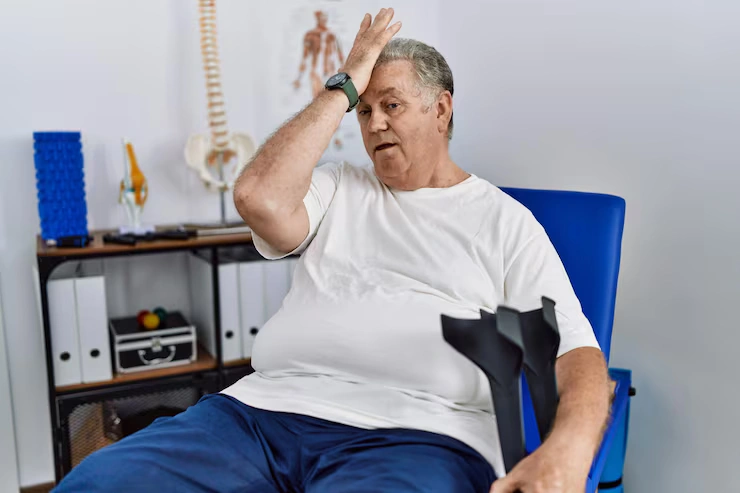
For recovery and rehabilitation planning
Evaluation of cognitive changes following a stroke, concussion or traumatic brain injury, identifying strengths and difficulties to guide rehabilitation and recovery.

Anxiety, depression and behavioral change
When mood or behavior changes, testing helps determine whether the cause is emotional, neurological or both — bringing clarity to anxiety, depression and shifts in behavior or personality.
Group blurb: Objective, professionally documented evaluations for medical, legal, eligibility and employment purposes.

For medical and surgical requirements
Objective evaluations that provide the psychological clearance required before certain medical or surgical procedures.

Hardship & case support
Psychological assessments that support immigration cases and provide professional hardship documentation for legal proceedings.

New York developmental disability services
Comprehensive evaluations that support OPWDD eligibility and help individuals access developmental disability services in New York State.

Fitness-for-duty & screening
Psychological evaluations for employment screening and fitness-for-duty requirements, including public safety positions.
Our clinicians provide evaluations and short-term treatment for children, adolescents, adults and older adults — in English and Spanish.

Autism, learning and attention concerns, developmental questions, and academic or school struggles — explained with warmth and translated into a practical plan for home and school.

Adult autism and ADHD questions, testing accommodations for professional exams, mood and behavior changes, and evaluations after concussion or brain injury.

Thoughtful assessment of memory and cognitive changes, including the differences between normal aging, mild cognitive impairment, dementia and Alzheimer’s disease.
Adult autism and ADHD questions, testing accommodations for professional exams, mood and behavior changes, and evaluations after concussion or brain injury.
We begin by listening — reviewing symptoms, medical and developmental history, and your goals for the evaluation.
Non-invasive, pencil-and-paper and computer tasks measure memory, attention, language, problem-solving, processing speed and emotional functioning. Most evaluations range from 3 to 8 hours, with breaks as needed.
We explain the results in detail and answer your questions, so findings are genuinely understood — not just received.
You receive a comprehensive report with personalized recommendations, typically within 2 to 4 weeks. With your written permission, it can be shared with providers, schools or employers.
It is an in-depth assessment of cognitive, behavioral and emotional functioning. Using clinical interviews, standardized testing and questionnaires, we look at how brain function affects everyday life — learning, memory, attention, mood and more.
People experiencing memory difficulties, learning challenges, traumatic brain injury, stroke, neurological conditions, ADHD, autism spectrum features or cognitive changes with aging — as well as anyone who needs medical clearance or school accommodations.
Most evaluations range from 3 to 8 hours and can be completed in one day or across multiple sessions to minimize fatigue. Breaks are always available for comfort and best performance.
You’ll take part in a feedback session that explains the results in detail, along with a comprehensive written report. Reports are typically completed within 2 to 4 weeks, depending on complexity.
Many services are covered by insurance, though coverage varies by plan. Our office verifies benefits before your appointment, and self-pay options with transparent pricing and possible payment plans are available. Some plans require a physician referral — we’re happy to help.
That’s exactly what we’re here for. Reach out and we’ll help you understand your options and the right next step — with expert care, clear answers and better outcomes.
Rockville Centre, NY · Call 516-696-8401
The information on this page is for general educational purposes and does not constitute medical advice, diagnosis or treatment. A neuropsychological diagnosis can only be made through a formal evaluation with a qualified clinician. Please contact Complete Neuropsychology P.C. to discuss your individual needs.